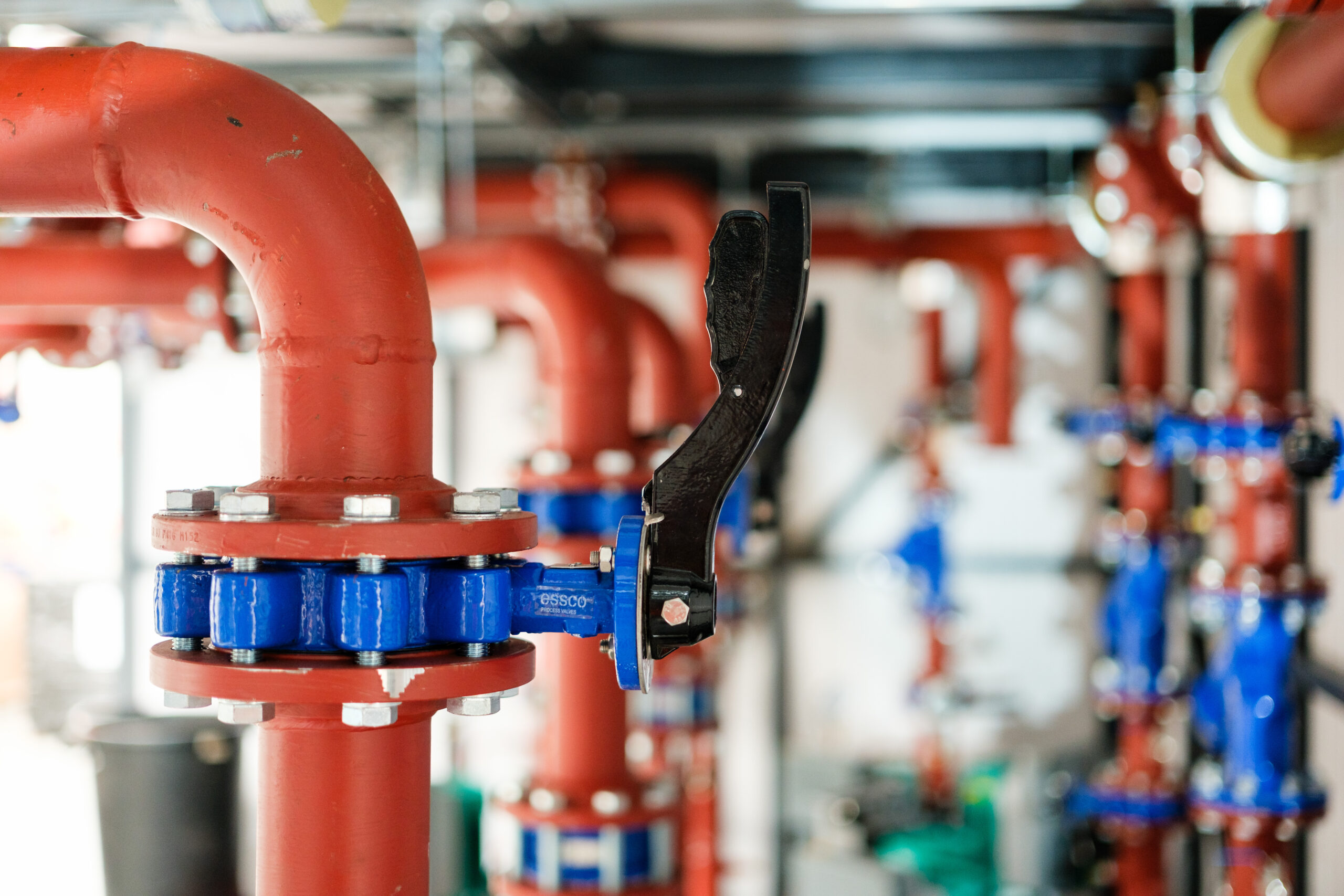


Our WRAS approved butterfly valves are engineered for efficient isolation of hot and cold water systems across a wide range of commercial and industrial applications.
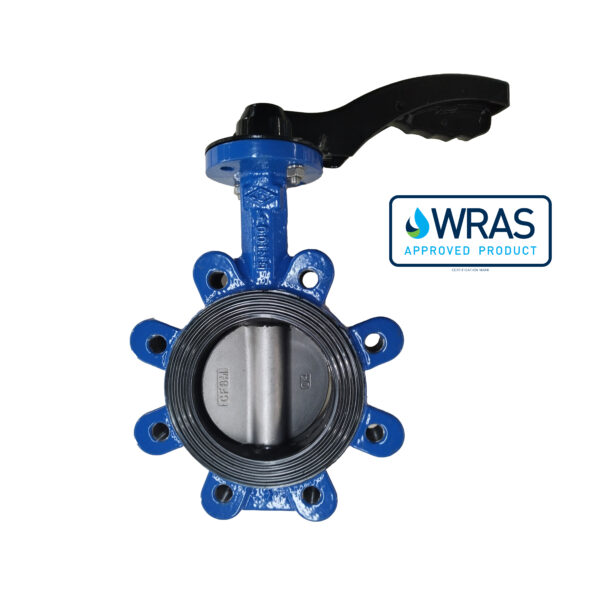
Butterfly Valve Range
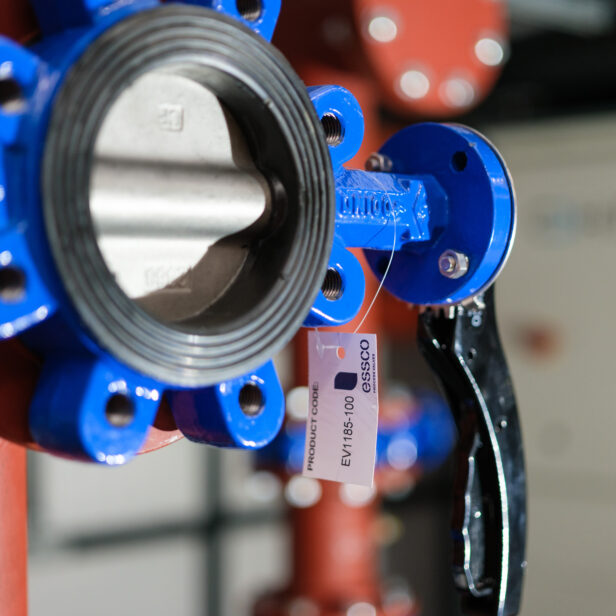
Our range includes lugged and wafer butterfly valves that are fully stocked from DN50 – DN300 (2” to 12”), with up to DN600 (24”) available on request.
Essco valves are suitable for use in a wide range of applications, including –
- Potable water
- HVAC
- Oil & Gas Production
- Marine
- Chemical
- Wastewater
- Mining
Products
Below you can see a selection of our most popular butterfly valves.
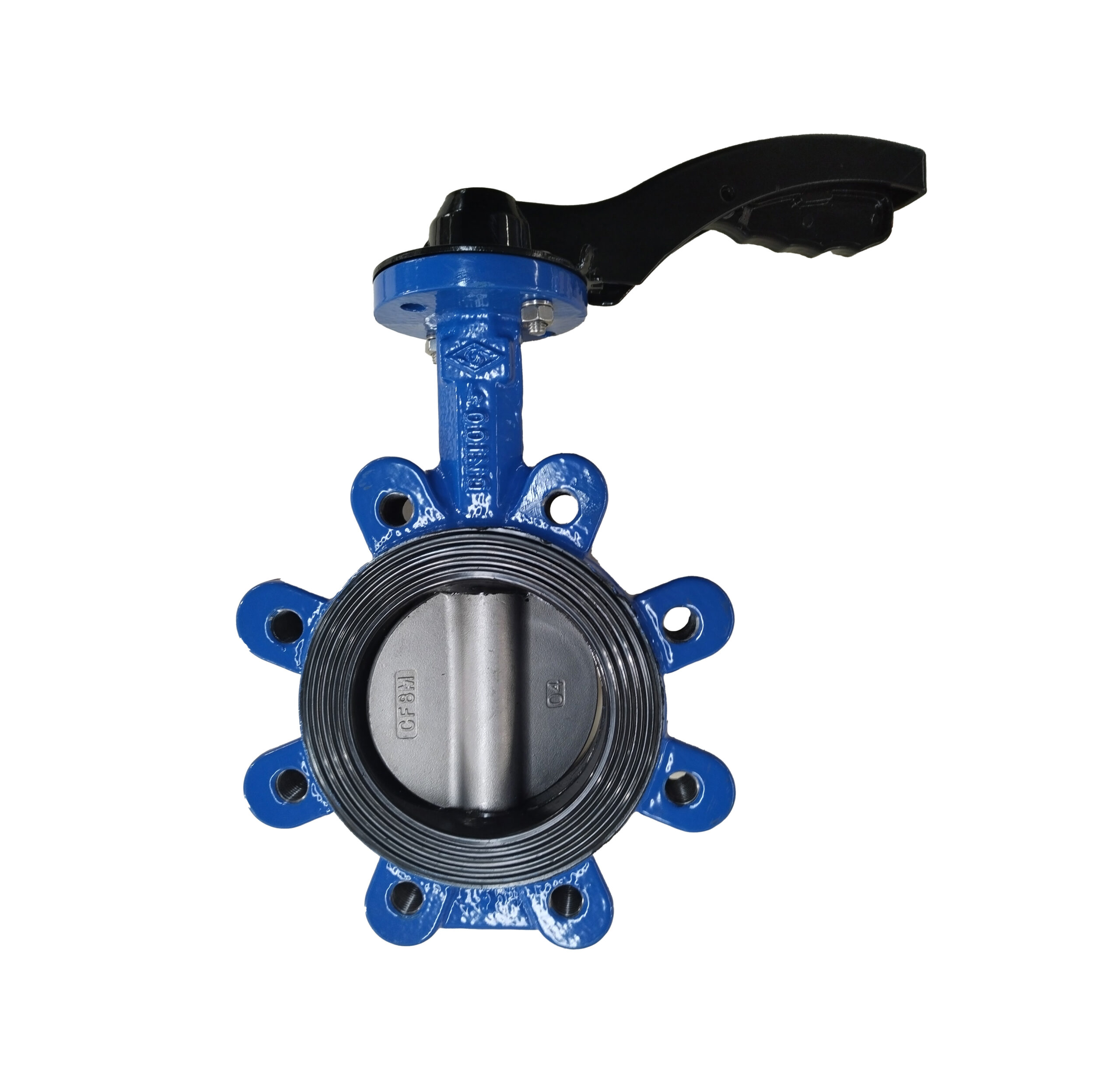
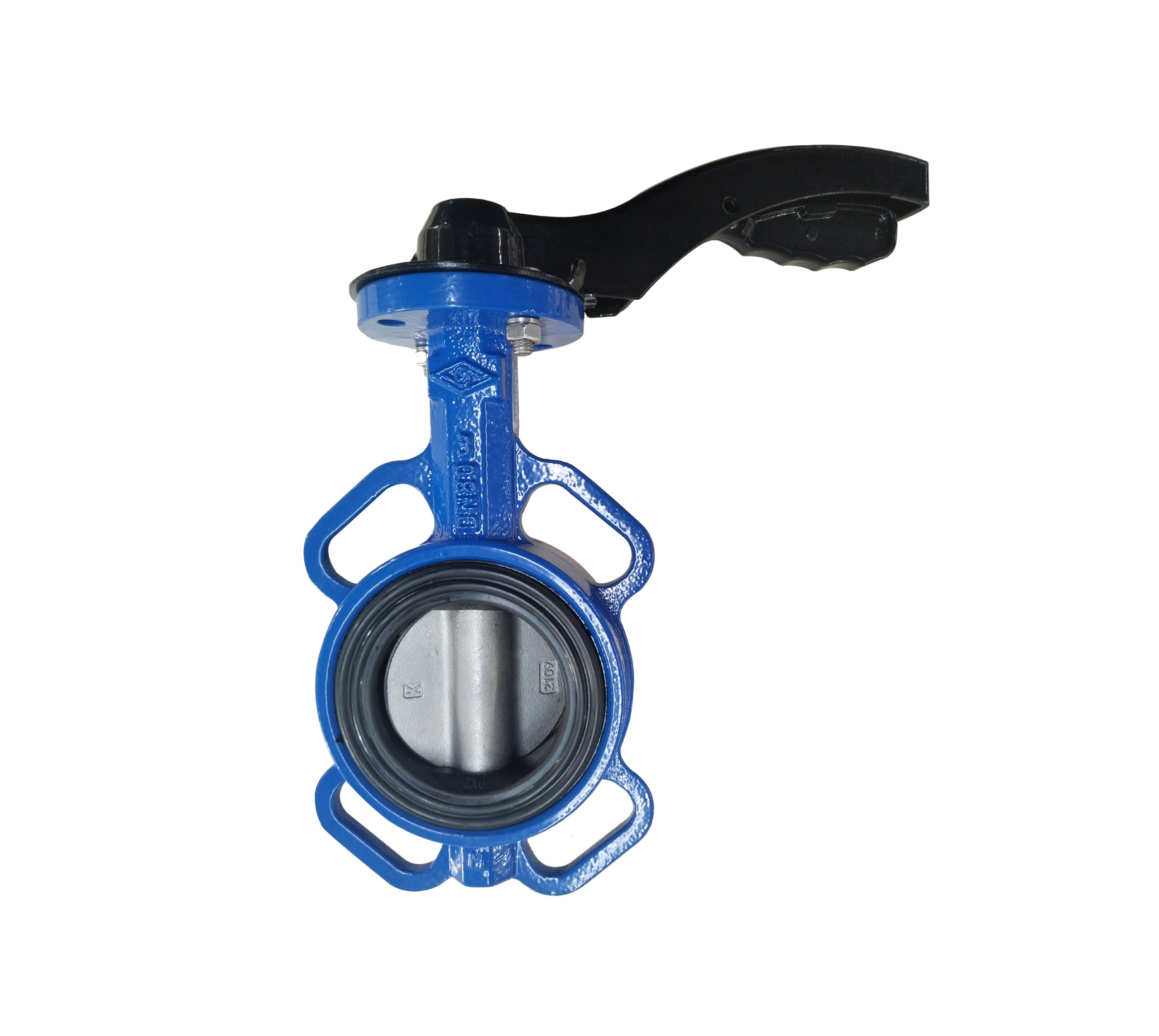
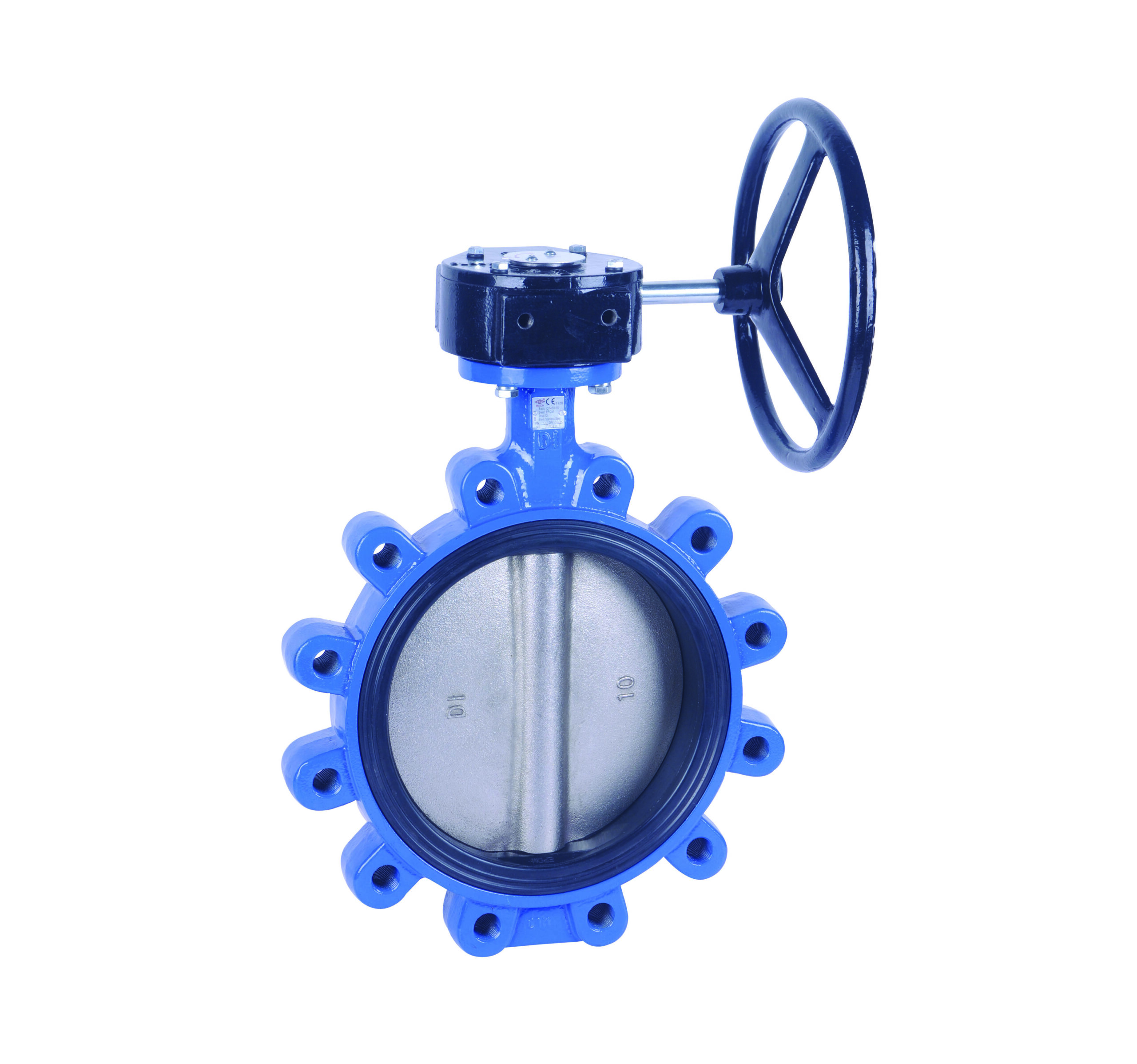
EV1225 Flanged Lugged Butterfly Valves
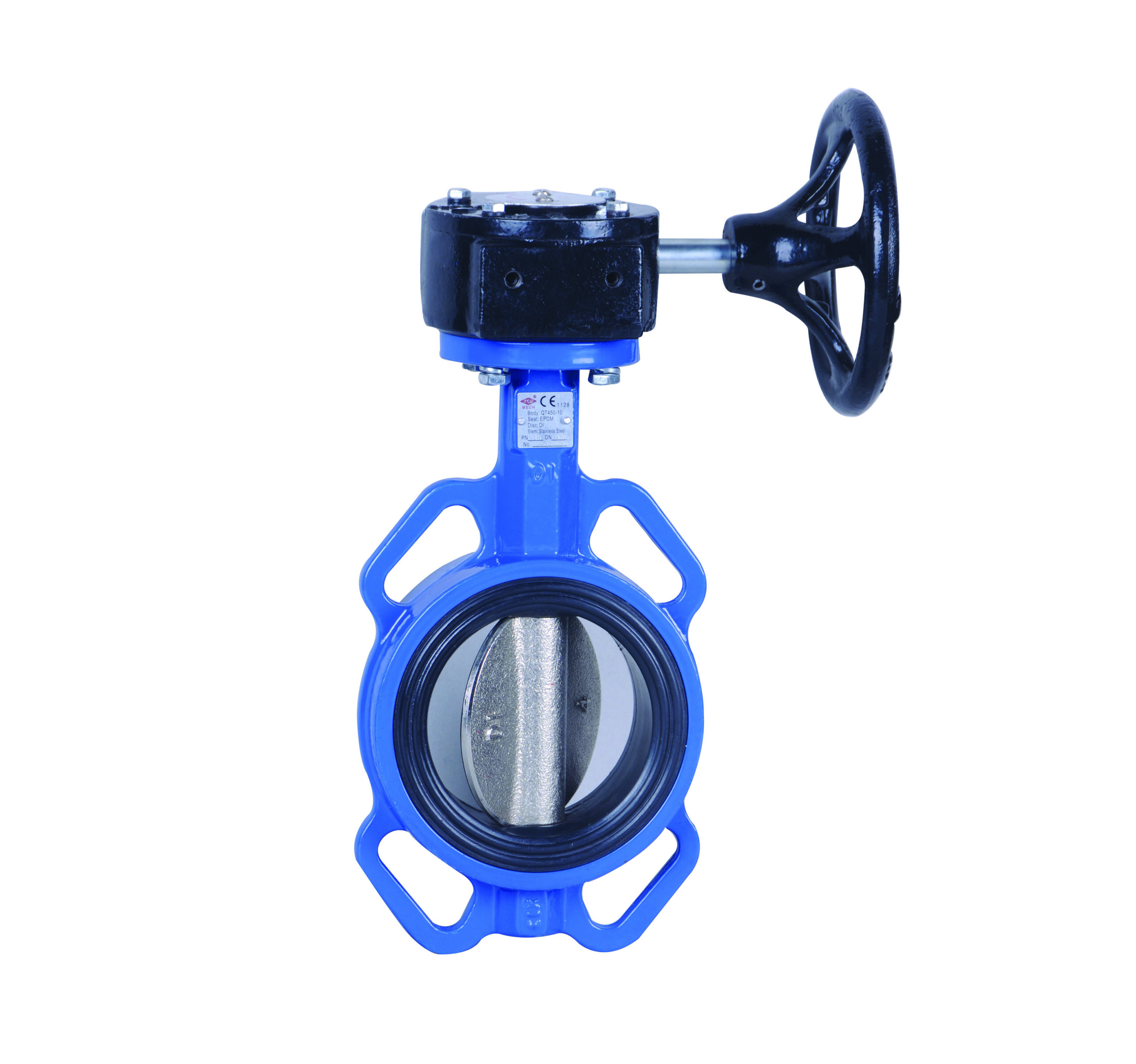
EV1245 Flanged Wafer Butterfly Valves
Installation Configurations
Wafer Butterfly Valves
Installed between two pipe flanges and located by flange bolts. This design provides a compact and lightweight solution for general isolation and flow control.
Lugged Butterfly Valves
Bolted directly to mating flanges using threaded lugs in the valve body. This configuration allows dead-end service and simplifies maintenance isolation.

Documents

Frequently Asked Questions
A butterfly valve is a quarter turn isolation and control valve used on pipework systems carrying water and other low to medium pressure fluids. It is widely specified on heating, cooling, and water systems where compact installation, low operating torque, and quick shut-off are required. Butterfly valves are commonly installed in plant rooms, risers, and packaged equipment.
Butterfly valves are used across building services and industrial pipework where reliable isolation and flow control is required, including:
- Heating and chilled water distribution
- District heating and cooling networks
- Plant room headers and pump sets
- Heat exchangers and packaged plant
- Potable and boosted cold water systems
- Cooling towers and condenser water circuits
- Process water and low pressure industrial services
They are specified where a compact footprint, reduced system weight, and easy operation are important.
A 3 inch butterfly valve is commonly used on branch circuits, terminal unit connections, and packaged equipment where local isolation is required.
A 4 inch butterfly valve is typically installed on risers, secondary distribution pipework, and medium flow plant circuits within heating, cooling, and water systems.
A 6 inch butterfly valve is typically specified on primary circuits, plant room headers, heat exchangers, and main pump lines.
An 8 inch butterfly valve is commonly used on high flow applications such as district heating networks, cooling systems, large plant distribution, and water infrastructure.
Butterfly valves offer a lighter and more compact alternative to traditional isolation valves. In larger diameters they require less installation space, lower operating torque, and simpler support arrangements, making them well suited to plant rooms and large distribution systems.
Butterfly valves are normally selected to match the nominal bore of the pipeline. Final sizing should always be checked against system flow rate and allowable velocity.
Typical size references include:
- 3 inch butterfly valve. DN80
- 4 inch butterfly valve. DN100
- 6 inch butterfly valve. DN150
- 8 inch butterfly valve. DN200
Key sizing factors to consider include:
- Design flow rate and system velocity
- Operating pressure and temperature
- Required shut-off tightness
- Manual or actuated operation
- Installation constraints and access
For regulating duties, the operating position should be reviewed to avoid excessive turbulence, noise, and wear.
Butterfly valves are available in a range of pressure classes to suit building services and industrial systems.
Typical pressure ratings include:
- PN6 for low pressure HVAC and water systems
- PN10 for standard heating, cooling, and water services
- PN16 for higher pressure plant systems and boosted water
- ANSI Class 150 for industrial and process applications
Maximum working pressure should always be confirmed at the design temperature.
Butterfly valves can be supplied in a wide range of material combinations to suit different fluids and operating conditions.
Body materials
- Cast iron for standard heating, cooling, and water services
- Ductile iron for higher strength plant and distribution systems
- Carbon steel for industrial pipework
- Stainless steel for corrosive or hygienic duties
Disc materials
- Stainless steel
- Epoxy coated ductile iron
- Aluminium bronze for aggressive media
Seat materials
- EPDM for heating, cooling, and potable water
- NBR for oils and hydrocarbons
- PTFE for chemical and elevated temperature services
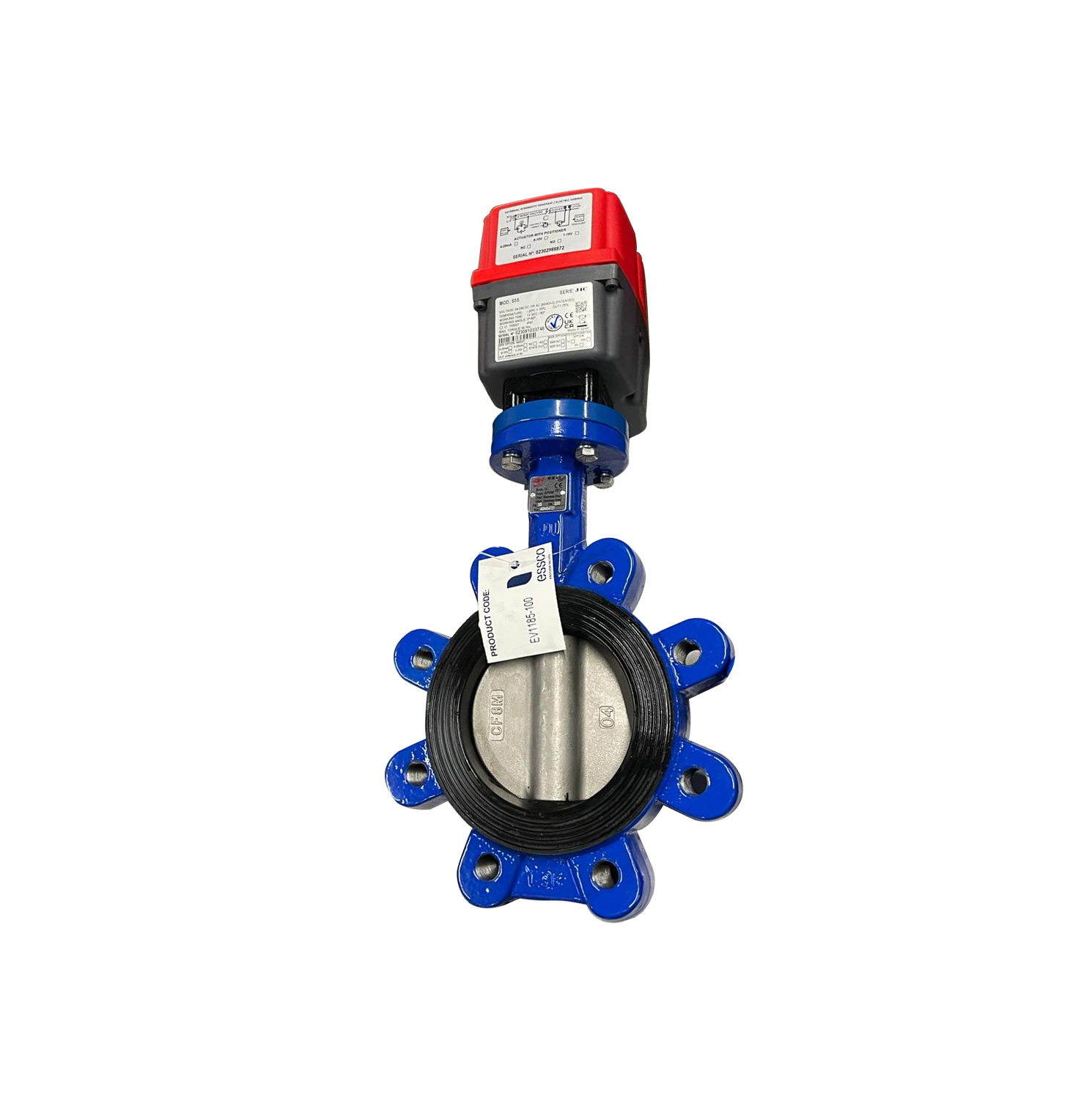
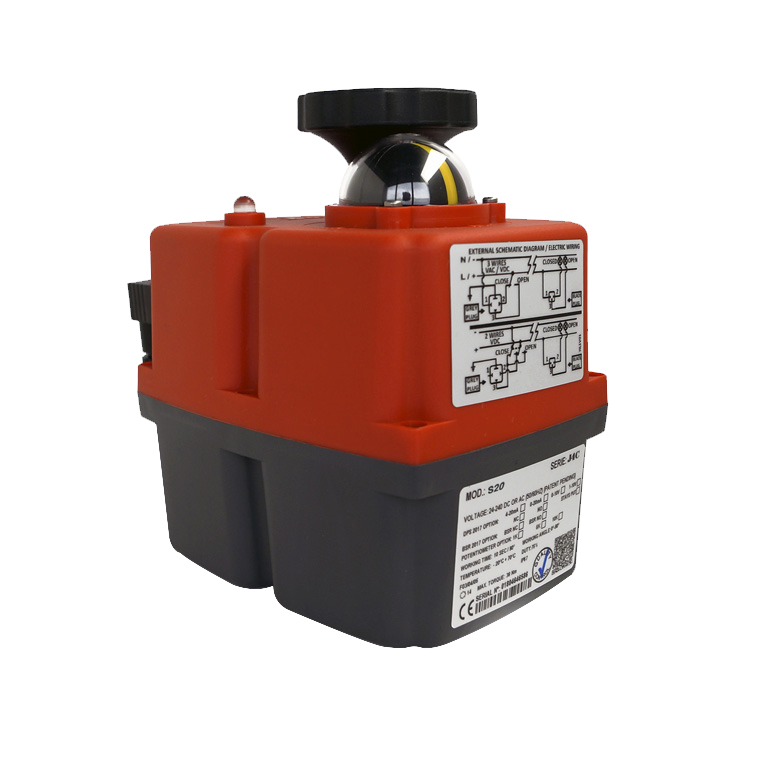
Yes. Butterfly valves can be supplied with electric or pneumatic actuators for automated plant and BMS control. Actuated assemblies are widely used on district heating networks, energy centres, and packaged plant systems.
Industrial Butterfly valves are manufactured in accordance with recognised international standards and approvals, including:
- EN and ISO manufacturing standards
- PED compliance for pressure equipment
- WRAS approval for potable water applications
- Fire safe certification for industrial duties where required
Certification should always be verified at project specification stage.